RESIDENTIAL / UV & Fade Protection
Furniture, Rugs & Artwork Fading? UV Window Film Helps
Fading furniture, rugs or artwork near sunny windows? UV window film helps reduce sun damage without blocking your natural light.
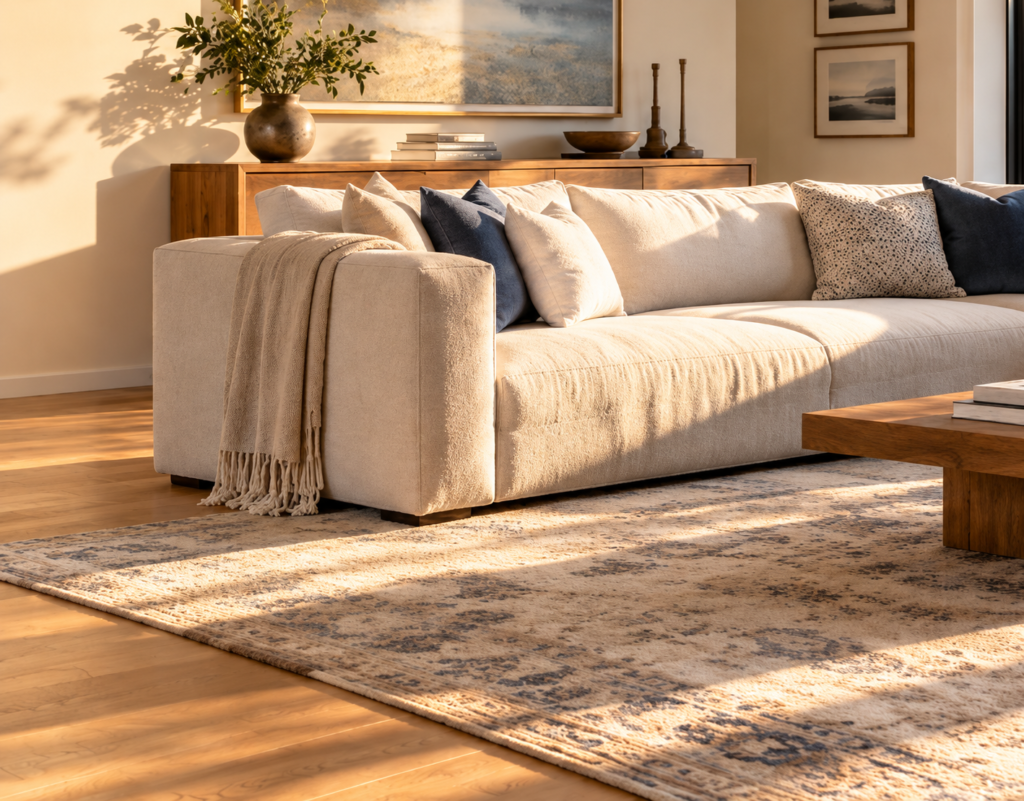
Sunlight Looks Beautiful Until Your Interiors Start Showing the Damage
Natural light can make a living room feel larger, warmer and more inviting. But when the same afternoon sun hits your sofa, hardwood floor, area rug or artwork every day, you may eventually notice something you did not plan for: one side looks lighter, colors appear washed out, or the section underneath a rug no longer matches the exposed floor.
That change usually happens gradually. By the time it becomes obvious, reversing it may be difficult or impossible.
If you want to protect furniture from sun damage without keeping curtains closed throughout the day, residential window film can help reduce the amount of damaging solar energy reaching your interiors while allowing you to keep the natural light and outdoor view you enjoy.
Why Do Furniture, Rugs and Artwork Fade Near Windows?
UV radiation gets most of the attention when people talk about fading, but it is not the only factor.
Long-term interior fading can be influenced by:
- Ultraviolet radiation
- Visible sunlight
- Solar heat
- Length and intensity of exposure
- Material type, dyes, pigments and finishes
- Window direction and daily sun exposure
The International Window Film Association also identifies UV rays, visible sunlight and heat as major contributors to fading in furniture, wood flooring and artwork. Conservation guidance shows that both the intensity of light and the amount of time an object remains exposed can affect light-related deterioration.
This is why simply moving a couch a few inches or closing blinds occasionally may not fully address a room that receives strong, repetitive sunlight.
Signs the Sun Is Already Affecting Your Interior
Sun damage does not always appear as one dramatic faded patch. It often starts subtly.
You may notice:
- One arm of a sofa becoming lighter than the other
- A rug losing color close to patio doors or large windows
- Different flooring shades beneath and around an area rug
- Wood furniture changing tone on its sun-facing side
- Curtains or upholstery appearing bleached
- Photographs losing contrast
- Artwork becoming dull or uneven
- Decorative fabrics fading faster near windows
These changes are particularly noticeable in rooms with large windows, glass doors, skylights or strong afternoon exposure.
If you can already see a difference between covered and exposed areas, reducing future exposure becomes even more important.
How UV Window Film Helps Protect Your Interiors
UV protection window film is applied to existing architectural glass to create an additional solar-control layer between incoming sunlight and your interior. Depending on the film selected, it can help manage UV exposure, visible light, glare and solar heat before they reach sensitive surfaces.
That makes window film particularly useful for homeowners who want protection but do not want their home to feel permanently dark. Unlike closing blackout curtains during daylight hours, a properly selected architectural film can maintain useful natural light and visibility while helping reduce the factors responsible for premature fading.
It is important, however, to set realistic expectations. No window film should be presented as a way to completely stop fading forever. The International Window Film Association specifically notes that window film can reduce the effects of UV and solar heat but cannot eliminate fading entirely.
The goal is fade protection, not an unrealistic promise that sunlight will never affect a material again.
Protect Upholstery and Furniture Without Hiding the View
A sofa positioned beside a large window may look perfect when the room is first furnished. Months or years of repeated sunlight can be much less forgiving.
Fabric dyes may fade. Leather can change appearance. Wood finishes may develop uneven coloration. Even decorative cushions can look different depending on which side receives the most sunlight.
Using window film for furniture protection helps reduce direct solar exposure at the glass rather than relying only on furniture placement.
This is especially useful in:
- Living rooms with floor-to-ceiling windows
- Family rooms
- Sunrooms
- Dining areas
- Bedrooms with strong morning or afternoon sun
- Homes with large sliding glass doors
You can continue using the room naturally instead of reorganizing furniture around the sun.
Keep Area Rugs and Flooring From Fading Unevenly
Rugs often reveal sun damage in a way that is hard to ignore. Move a rug that has been sitting beside a sunny window for several years and you may find a noticeable difference between protected flooring and the area exposed to daylight.
The same thing can happen to the rug itself. Strong sunlight may gradually reduce the intensity of dyes, leaving sections closer to windows visibly different from areas farther inside the room.
UV protection for rugs and flooring is therefore about more than the rug. It can also help preserve a more consistent appearance across hardwood, engineered wood and other decorative flooring surfaces.
Window film is particularly valuable where homeowners want to keep large areas of glass uncovered instead of relying entirely on blinds or shades.
Give Artwork, Photographs and Collectibles Better Sun Protection
Artwork deserves extra attention because some pigments, papers, textiles and photographic materials can be particularly sensitive to light.
Smithsonian conservation resources note that exposure to light can damage materials including paper, textiles, paints and pigments, while some pigments are specifically sensitive to ultraviolet light. That means a painting or photograph does not need to feel physically hot before exposure becomes worth considering.
For valuable or sentimental pieces, combine sun protection for artwork with sensible placement. Avoid intense direct sunlight where possible and use suitable glazing or window-film solutions to reduce unnecessary exposure. For museum-quality or highly valuable collections, professional conservation advice may also be appropriate.
Window Film vs. Curtains, Blinds and Shades
There is no rule saying you have to choose only one. In rooms containing expensive rugs, artwork or sensitive furnishings, combining residential window film with curtains or shades can provide greater control over sunlight throughout the day.
| Solution | Natural Light | Outside View | Helps Reduce Solar Exposure | Everyday Convenience |
|---|---|---|---|---|
| Window Film | Maintained depending on film | Maintained | Yes | Works continuously |
| Curtains | Reduced when closed | Blocked | Yes when closed | Must be opened or closed |
| Blinds | Adjustable | Partially restricted | Depends on position | Requires adjustment |
| Blackout Shades | Very limited when closed | Blocked | Strong when closed | Darkens the room |
Clear or Dark Film: Which Is Better for Fade Protection?
A common assumption is that protecting interiors requires very dark windows.
Modern architectural films are available in different visible-light and solar-control configurations. Some are designed to maintain a relatively natural glass appearance while targeting UV exposure. Others provide greater glare or solar-heat control.
The right option depends on.
- Your existing glass
- Window orientation
- Amount of direct sunlight
- Desired room brightness
- Exterior appearance
- Glare concerns
- Heat-control requirements
- Items you are trying to protect
Film should be selected for the actual glazing system rather than simply choosing the darkest option available.
Is Ceramic Tint UV Protection the Same for Homes and Cars?
You may have seen ceramic tint UV protection discussed when researching automotive tint.
The underlying goal of managing solar exposure may sound similar, but automotive tint and architectural window film are different product categories designed for different types of glass and applications.
The same applies to searches for car tint UV protection. A film intended for vehicle glass should not automatically be treated as the correct option for residential glazing.
For a home, use film specifically designed and approved for architectural glass. Likewise, security-film searches should be treated separately. A term such as home security film Sunrise relates primarily to glass safety and security intent, whereas this page addresses fading, UV exposure and interior preservation. Keeping those purposes separate helps homeowners choose the right type of film for the result they actually need.
Protect the Interior You Already Invested In
Furniture, flooring, rugs and artwork are often chosen carefully over years. Replacing them because one side of a room receives too much sunlight is an expense most homeowners would rather avoid.
The right fade protection window film can help manage daily solar exposure while preserving the bright, open appearance that made you choose those windows in the first place.
Choose film according to your glass, exposure and protection goals rather than relying on a one-size-fits-all tint.
Find an Installer
Connect with a qualified window film dealer who can evaluate your glass and recommend an architectural film suited to your home, natural-light preferences and interior protection goals.
Frequently Asked Questions
No. It can significantly reduce important contributors to fading, but visible light, heat, material composition and continued exposure can still affect interiors over time.
Yes. Reducing solar exposure can help slow color change and uneven fading, particularly for rugs positioned close to sunny windows or glass doors.
Not necessarily. Architectural films are available with different levels of visible-light transmission. A film can be selected based on how much daylight and exterior visibility you want to maintain.
It can help reduce exposure to UV and other solar factors that contribute to deterioration. Extremely valuable or light-sensitive artwork may need additional conservation measures.
They serve different purposes and can work together. Window film provides passive protection at the glass throughout the day, while curtains and shades give you additional control when direct sunlight becomes particularly intense.
Start with glass receiving the strongest or longest daily sunlight, especially windows near valuable flooring, artwork, furniture, rugs or collectibles. West-facing rooms and large expanses of glass often deserve particular attention.