RESIDENTIAL / UV & Fade Protection
Will Clear UV Film Hurt Houseplants? A Practical Guide
Will Clear UV Film Hurt Houseplants? A Practical Guide to how film affects plant light, heat, glare, placement and growth.
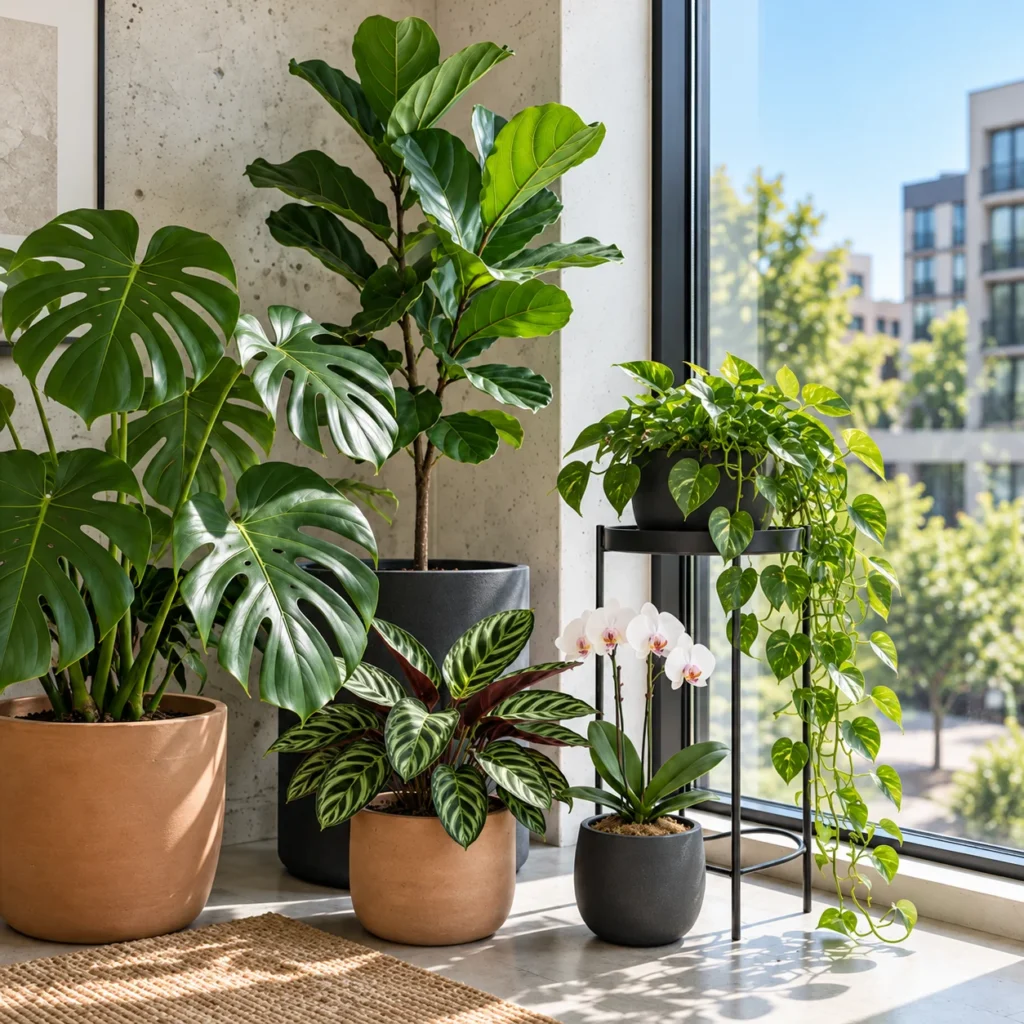
Indoor plants often sit beside the brightest windows in a home, so it is understandable to hesitate before adding window film. You may want to reduce harsh sunlight, UV exposure, glare, and uncomfortable heat, but not if doing so leaves your plants struggling to grow. The reassuring part is that properly selected residential window film does not automatically harm houseplants. In many rooms, plants continue growing normally because they rely primarily on usable visible light rather than ultraviolet radiation alone.
The important question is not simply whether a film blocks UV. You need to consider how much visible daylight remains after installation, what type of plants you own, which direction the window faces, and how much direct sunlight reaches the room during the day. A bright west-facing living room with several hours of strong sun has completely different lighting conditions from a north-facing room shaded by trees or neighboring buildings.
For homeowners who want UV protection without dramatically changing the appearance of their windows, clear UV film can be a practical option because it is designed to maintain a more natural-looking window while helping address unwanted solar exposure. However, the right choice should always be based on the room and the plants rather than selecting a film only because the word “clear” appears in its name.
Does UV Window Film Stop Plants From Growing?
Houseplants need light for photosynthesis, but that does not mean they require large amounts of ultraviolet radiation. Most of the light involved in normal plant growth comes from the visible portion of sunlight. This means blocking a significant amount of UV does not automatically remove the light a plant needs to survive.
Where homeowners sometimes run into difficulty is choosing a film that reduces visible light too aggressively for an already dim room. A darker privacy treatment may work perfectly in a bright room but may not be the ideal choice for a plant that already stretches toward a low-light window.
The most useful approach is therefore to think about total daylight rather than UV alone. If a room remains comfortably bright after the film is installed, many common indoor plants can adapt without difficulty. Plants that naturally prefer indirect or moderate light may even benefit when excessively intense sunlight and heat near the glass are reduced.
Three Things That Matter More Than UV Blocking
A. Visible Light Transmission
Visible Light Transmission, usually referred to as VLT, describes how much visible daylight can pass through the window and film. This is one of the most important specifications to consider when you have houseplants near the glass.
A clearer film generally maintains a brighter indoor appearance, while darker or more reflective films can reduce visible light more noticeably. Neither option is automatically good or bad. The correct choice depends on how much sunlight the room receives before the film is applied.
B. Window Direction
Window orientation plays a major role in indoor plant conditions. South- and west-facing rooms often receive stronger sunlight and can become hot during parts of the day. North-facing rooms generally receive softer daylight, while east-facing windows often provide gentler morning sun.
A film that slightly softens intense afternoon sunlight may work extremely well in a bright west-facing room. Applying a much darker film to an already shaded window, however, could leave certain high-light plants wanting more daylight.
C. The Type of Houseplant
Not every plant has the same light requirements. A snake plant or pothos can usually tolerate conditions that would be unsuitable for a sun-loving cactus or succulent.
Before selecting window film, consider whether your plants are naturally low-light, medium-light, or high-light varieties. This simple step makes it much easier to choose a film that improves indoor comfort without unnecessarily reducing the light available to your plants.
Our products
Six film families, one for every kind of glass
For UV protection that keeps rooms bright, start with Architectural Solar Control. Every family has its own page with the full range.
- Clarity IR Max
- Nano Ceramic
- Climate IQ 50
- Skyline
- Harmony DR
- Soft Tone
- Eco Silver 20
- X-Clear 70
- X-Eco Silver 15
- X-Hybrid DR 15
- Safety 4 Clear
- Security 8 Clear
- Security 8 Silver
- Security 14 Clear
- X-Safety 7
- AG 6 Clear
- Frost
- White Out
- Black Out
- Poly Layers
- V6 Comfort BLK
- V10 Ceramic IR BLK
- V16 Ceramic IR MAX
- V6 Core
- V10 Reactive
- V16 Velocity
Plants That Usually Adapt Well to Filtered Daylight
Many popular indoor plants are grown specifically because they tolerate indirect or moderate light. These plants are generally more forgiving when sunlight through a window becomes slightly softer after film installation.
Common examples include:
- Snake plants can tolerate a wide range of indoor lighting conditions and are commonly kept away from intense direct sunlight.
- Pothos plants generally perform well in bright indirect light and can also tolerate moderately lower light levels.
- ZZ plants are known for adapting to indoor environments where direct sunlight is limited.
- Peace lilies generally prefer filtered or indirect light rather than intense afternoon sunlight.
- Philodendrons commonly grow well in bright rooms without requiring continuous direct sunlight.
- Chinese evergreen varieties are often suitable for rooms where daylight is moderate rather than extremely strong.
These examples do not mean every plant will react exactly the same way. Plant health, distance from the window, seasonal changes, curtains, balconies, surrounding buildings, and existing shade can all influence the final growing environment.
When Should You Be More Careful?
Some plants prefer considerably brighter conditions and may respond more noticeably when visible light is reduced. If your plants depend on several hours of strong daylight, film selection deserves more attention.
Pay particular attention when you have:
- Cacti or succulents positioned directly beside a sunny window.
- Indoor herbs that rely on strong daylight for healthy growth.
- Flowering plants that already struggle to produce blooms indoors.
- Citrus or other sun-loving plants being grown inside the home.
- Plants in rooms that are already dark before any film is installed.
- Windows heavily shaded by trees, balconies, neighboring buildings, or exterior structures.
In these situations, choosing a lighter film or moving plants closer to the window may be more appropriate than applying a very dark privacy treatment.
Clear UV Film vs Dark Window Tint for Plant Rooms
The best film depends on the purpose of the room and the amount of existing daylight. The comparison below makes the difference easier to understand.
| Film Type | Effect on Room | Houseplant Consideration | Best Use |
|---|---|---|---|
| Clear UV film | Keeps a more natural, bright appearance | Helps preserve available daylight | Rooms where UV protection and brightness are priorities |
| Light solar-control film | Softens sunlight and helps manage glare | Often works well with indoor plants | Bright living rooms, offices, and sun-exposed spaces |
| Frosted film | Diffuses daylight while increasing privacy | Can suit many indirect-light plants | Bathrooms, sidelights, and privacy areas |
| Dark privacy film | Reduces visible daylight more noticeably | Requires more consideration around high-light plants | Very bright rooms needing stronger privacy |
| Reflective solar film | Provides stronger solar and glare control | Best matched to rooms receiving intense sunlight | West- and south-facing glass with heavy solar exposure |
This comparison is why homeowners should not choose window film based only on how dark or light it looks in a photograph. The room itself determines whether a particular film is suitable.
Signs Your Plants May Need More Light
Plants usually communicate lighting stress through gradual changes rather than suddenly failing after window film is installed. Monitoring new growth for the first several weeks can help you decide whether a plant should simply be moved closer to the window.
Watch for:
- New stems becoming unusually long as the plant stretches toward the available light.
- Leaves becoming noticeably smaller or paler than previous growth.
- Variegated plants losing some of their contrasting color patterns.
- Flowering plants producing fewer buds despite otherwise normal care.
- Growth slowing considerably during a season when the plant would normally be active.
- The entire plant leaning heavily toward the window rather than maintaining balanced growth.
If these signs appear, do not immediately assume the window film must be removed. Moving the plant slightly closer to the glass or placing it in a brighter room may solve the issue.
Keep reading
More on UV and fade protection
Can Window Film Actually Help Houseplants?
In some situations, yes. Extremely intense sunlight can be difficult for plants that prefer filtered or indirect light. Leaves positioned directly beside hot glass may experience excessive heat, dry quickly, or develop damaged areas when exposed to stronger sunlight than the plant naturally prefers.
A suitable solar-control film can make the space around the window more comfortable by reducing the intensity of harsh sunlight and limiting excessive heat buildup. This can be useful in living rooms, bedrooms, home offices, and sun-exposed areas where homeowners currently rely on blinds or curtains to control afternoon sunlight.
Curtains often remove nearly all useful daylight when they are closed. Properly selected window film can provide another approach by keeping the glass exposed while reducing unwanted solar intensity.
Your Watering Routine May Change After Installation
One detail homeowners sometimes overlook is that the environment around the window may become more comfortable after solar-control film is applied. If the area becomes less hot, plant soil may not dry as quickly as it did before.
This means continuing exactly the same watering schedule without checking the soil could result in unnecessary watering. Instead of watering strictly according to a calendar, check the growing medium and observe the plant itself.
After installing window film:
- Check the soil moisture before automatically adding water.
- Watch how quickly pots dry compared with their previous routine.
- Avoid increasing fertilizer simply because plant growth temporarily slows.
- Monitor leaves and new growth for several weeks before making major changes.
- Adjust plant placement gradually instead of repeatedly moving plants around the room.
Small adjustments are usually more effective than immediately changing the plant’s entire care routine.
Residential UV Film Is Not the Same as Automotive Tint
Search results can become confusing because residential and automotive window-film terms frequently appear together. A car window uv film, uv window tint for cars, or ceramic uv window tint is intended for vehicle glass and should not be treated as the standard reference when selecting film for houseplants or residential windows.
Automotive and architectural window films are designed for different applications, glass systems, installation conditions, and performance requirements. If your concern is protecting houseplants while improving comfort inside your home, you should focus on architectural window film made for residential glass.
That distinction also helps keep the decision simple. Instead of comparing car-tint shades, concentrate on visible light, solar control, privacy, appearance, glass compatibility, and the amount of daylight already available inside the room.
How to Choose Window Film for a Home With Plants
The goal is not to find the film that blocks the greatest possible amount of sunlight. The goal is to create the right balance between comfort, UV protection, glare control, privacy, and natural daylight.
Before choosing a residential film, consider:
- How bright the room currently feels throughout the day.
- Whether the window receives direct morning or afternoon sunlight.
- Which plants are positioned close to the glass.
- Whether those plants prefer direct sunlight or filtered daylight.
- How much privacy and glare reduction you actually need.
- Whether maintaining a clear exterior appearance is important.
- How much visible daylight the selected film allows to pass through.
For plant-filled spaces, this balanced approach is far more useful than selecting a film only because it has the darkest shade or strongest-looking appearance.
Protect Your Home Without Giving Up Your Indoor Plants
Window film and healthy houseplants can comfortably exist in the same home. The key is choosing film according to the daylight already available rather than assuming every plant needs unfiltered direct sunlight.
A bright room may benefit from solar control that reduces excessive glare and heat, while a darker room may be better suited to clear UV film or another option that preserves more visible daylight. By considering VLT, plant type, window orientation, and existing shade together, you can improve indoor comfort without unnecessarily compromising your plants.
ProLayers provides architectural window-film solutions for homes where UV exposure, glare, heat, privacy, and daylight all need to be considered together. Professional dealers can evaluate the glass and recommend an appropriate film based on the actual conditions of the room rather than relying on a one-size-fits-all approach.
FAQ
Frequently asked questions
Five quick answers about window film and houseplants.
Still have a question? Ask usWill clear UV film kill my houseplants?
No. Clear UV film does not automatically harm indoor plants simply because it reduces UV exposure. The more important factor is how much usable visible daylight remains in the room after installation and whether that amount matches the plants you are growing.
Should I move my plants after installing window film?
Not necessarily. Keep them in their normal positions initially and monitor their growth. If a high-light plant begins stretching or producing weaker growth, moving it closer to the window may be enough.
Is darker window film bad for plants?
Not automatically. Dark film can work well in rooms that receive intense sunlight, but it requires more careful consideration in rooms that are already shaded or contain sun-loving plants.
Can window film stop leaves from getting scorched?
A solar-control film may help reduce excessively intense sunlight and heat near the glass, which can make the environment more suitable for plants that prefer bright indirect light. Film should still be selected according to the individual room and plant type.
Is UV film better than keeping curtains closed all day?
For homeowners who want to maintain natural daylight, properly selected film can provide a useful alternative to keeping curtains or blinds completely closed. The best solution depends on privacy needs, window orientation, and the amount of sunlight entering the room.
Contact us
Plants by a sunny window? Tell us about the room.
Send us the window size, which way it faces and what you are growing there, and we will point you to the right next step.
Contact us-
Visit
12551 Steepleway Blvd SWB B101
Houston, TX 77065 - Hours Mon to Fri 9am to 5pm