RESIDENTIAL / Choosing & Buying
DIY vs Professional Window Tint Film: Avoid Poor Results
DIY vs Professional Window Tint Film: Avoid Poor Results. Compare DIY window film with professional installation for house windows.
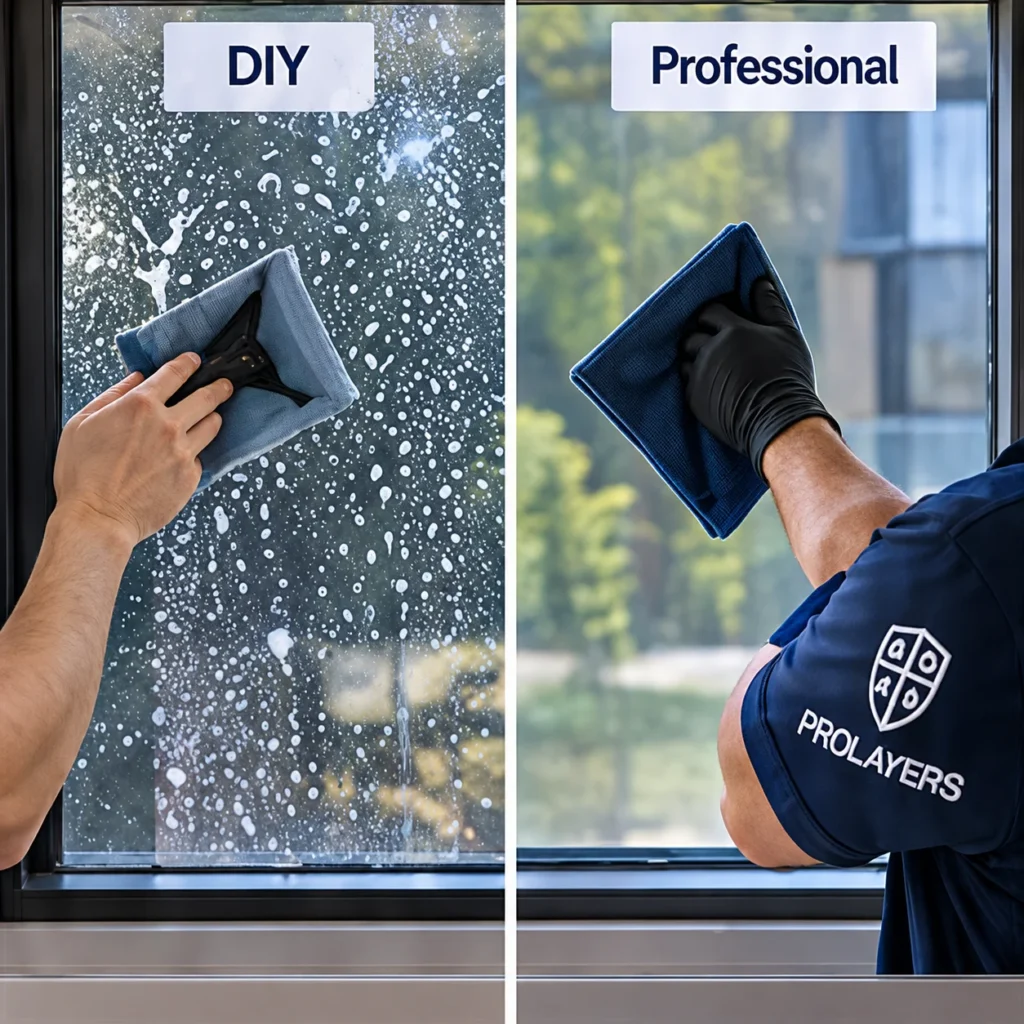
Window film can improve privacy, reduce uncomfortable glare, manage solar heat, and change how a room feels during bright parts of the day. But choosing the right film is only one part of the project. The way the film is fitted to the glass can have a major effect on the final appearance.
DIY window film looks simple when you watch a short video. Clean the glass, spray the surface, position the film, remove the water, and trim the edges. In a real home, however, large panes, window frames, dust, incorrect measurements, and film-to-glass compatibility can make the job much more difficult.
If you are comparing DIY installation with professional window tint film, the right choice depends on the size of the project, type of glass, type of film, location of the window, and quality of finish you expect.
Is DIY Window Film Worth It?
DIY film can make sense for a small, simple window where appearance is not critical and the film is designed for consumer application. A homeowner who is comfortable measuring, cutting, cleaning, and handling thin film may be able to complete a basic project.
The decision changes when you are working with large windows, several rooms, specialty glass, solar-control film, exterior applications, or highly visible areas of the home. Small fitting errors become much easier to notice across a larger glass surface.
A professional installer also brings something a DIY kit cannot provide: practical experience with different glass systems, film types, edges, frames, and installation conditions.
DIY vs Professional Window Film Installation
Both options can place film on a window, but the process and expected finish are different.
| Factor | DIY Window Film | Professional Installation |
|---|---|---|
| Upfront effort | You measure, prepare, cut, position, and finish the film | Installer manages fitting and application |
| Finish quality | Depends heavily on skill and working conditions | More controlled and consistent |
| Large panes | More difficult to handle without creasing | Better suited to trained handling |
| Glass assessment | Homeowner must check compatibility | Installer can review the glass and application |
| Dust and debris | Harder to control | Installation area can be prepared carefully |
| Edge finish | Cutting errors may remain visible | More precise trimming around frames |
| Rework risk | You may need new material if application fails | Lower risk when handled by an experienced installer |
| Exterior applications | More difficult because of access and exposure | Better suited to qualified installers |
| Support | Depends on the product purchased | May include installer or product support |
DIY is not automatically bad, and professional installation is not simply about convenience. The main question is how much risk you are willing to accept on the windows involved.
Why DIY Window Film Can Bubble, Peel, or Look Uneven
A clean result begins before the film touches the glass. Even a small piece of lint, dried residue, hair, or dust can become visible once the film is applied.
Water and application solution must also be removed evenly. If areas are missed or the film moves while being worked, you may end up with visible pockets, uneven edges, or sections that do not sit correctly.
Common DIY issues include:
- Dust or small particles trapped under the film
- Uneven or rough edge trimming
- Film cut too short for the pane
- Creases caused while handling a large sheet
- Corners that do not sit correctly
- Misaligned film on highly visible windows
- Damage to the film during repeated repositioning
- Choosing a film without checking glass compatibility
These issues become especially noticeable with window tint film for house windows because residential windows are often viewed from both inside and outside.
A film can be a good product and still produce a poor result when the glass, film, and installation method are not properly matched.
Our products
Six film families, one for every kind of glass
For residential solar-control film, start with Architectural Solar Control. Every family has its own page with the full range.
- Clarity IR Max
- Nano Ceramic
- Climate IQ 50
- Skyline
- Harmony DR
- Soft Tone
- Eco Silver 20
- X-Clear 70
- X-Eco Silver 15
- X-Hybrid DR 15
- Safety 4 Clear
- Security 8 Clear
- Security 8 Silver
- Security 14 Clear
- X-Safety 7
- AG 6 Clear
- Frost
- White Out
- Black Out
- Poly Layers
- V6 Comfort BLK
- V10 Ceramic IR BLK
- V16 Ceramic IR MAX
- V6 Core
- V10 Reactive
- V16 Velocity
Why Glass Type Matters Before Installing Window Film
Not every residential window is built the same way. Homes may have single-pane glass, double-pane units, Low-E glazing, laminated glass, tempered glass, coated glass, or other window systems.
The film should therefore be selected for the actual glass instead of choosing a product only because its shade or appearance looks attractive.
A proper assessment may consider:
- Glass construction
- Existing coatings
- Window orientation
- Pane size
- Indoor or exterior application
- Current condition of the glass
- The purpose of the film
- Manufacturer compatibility guidance
This is particularly important when selecting solar-control or specialty household window tint film.
Using a professional installer does not mean every film is automatically suitable. The advantage is having someone assess the application before the film is fitted instead of discovering a compatibility issue after the project has started.
Professional Window Film Gives You More Than a Clean Edge
Many homeowners first think about professional installation because they want the film to look better. Appearance is important, but it is not the only reason.
An experienced installer can measure the windows, identify difficult access points, prepare the glass, handle larger sheets of film, and create more consistent edges across several windows.
Professional fitting is especially useful when you have:
- Large living-room windows
- Floor-to-ceiling glass
- Multiple matching windows
- Hard-to-reach glass
- Sun-facing rooms
- High-visibility front windows
- Specialty architectural glass
- Exterior film requirements
When choosing window tint film for homes, the goal should be a film and application method that suit the actual property instead of forcing one product onto every window.
When Exterior Window Film Installation Needs Professional Attention
Some buildings cannot use the preferred film on the interior surface, or the selected product may be designed for an exterior application. In these cases, exterior window film installation requires additional planning.
Outside glass is exposed directly to weather, dirt, changing temperatures, moisture, and other environmental conditions. Access can also become more difficult on upper floors or large exterior panes.
The installer may need to consider:
A. Safe Access
Exterior windows may be difficult or unsafe to reach without suitable equipment and experience.
B. Edge Quality
The film must be positioned and finished carefully so the final appearance remains clean across the glass.
C. Correct Film Selection
A film intended for an indoor surface should not automatically be treated as an exterior film. The product needs to match its intended application.
D. Window Condition
Existing damage, seal issues, coatings, or unusual glass construction should be identified before work begins.
For these reasons, exterior applications are not the best place to experiment simply because a DIY roll is available.
Keep reading
More window film guides for your home
DIY May Work for Small, Low-Risk Projects
Professional fitting is usually the stronger choice for complete residential projects, but there are situations where DIY can be reasonable.
You may consider DIY when:
- The window is small and easy to reach
- The glass type is clearly suitable for the selected film
- The product is specifically designed for DIY use
- A minor cosmetic imperfection would not concern you
- The project does not involve specialty safety or security film
- You have enough space to handle and cut the material properly
A small decorative bathroom pane is very different from a large west-facing living-room window. Treating both projects in exactly the same way can lead to disappointing results.
When Professional Installation Makes More Sense
Professional installation becomes more valuable as the project becomes larger, more visible, or more technically demanding.
Consider a professional installer if:
- You want several windows to match
- You are working with expensive or difficult-to-replace glass
- Heat and glare are major concerns
- You need exterior-applied film
- You have Low-E or insulated windows
- Windows are unusually large
- The project includes commercial-style glass
- You want a cleaner architectural appearance
- You are unsure which film is compatible with the glass
A professionally handled project also reduces guesswork. Instead of selecting a film only by shade, you can consider the actual purpose of the room and window.
What Should You Check Before Choosing Window Film?
Before buying any window tint film for homes, start with the reason you want the film.
Are you trying to reduce glare on a television? Is one room much hotter in the afternoon? Do street-facing windows need greater daytime privacy? Are furniture and floors receiving strong sunlight?
Once the goal is clear, compare films based on factors such as:
- Visible light transmission
- Solar heat control
- Glare reduction
- UV protection
- Interior versus exterior application
- Appearance from inside
- Appearance from outside
- Glass compatibility
- Product documentation
- Warranty terms where applicable
The darkest-looking film is not always the right film. Different rooms can require different levels of light, privacy, glare control, and solar performance.
Choosing Professional Window Tint Film for Your Home
A good residential window film project starts with selecting the right product before installation begins. ProLayers offers window film options for different residential needs, including heat and glare control, energy efficiency, UV and fade protection, privacy, and decorative applications.
ProLayers supplies the film, while qualified dealers and installers handle the installation. This keeps product selection and professional fitting clearly separated while helping homeowners reach the right solution for their glass.
When comparing professional window tint film, focus on what the window needs rather than choosing only by appearance.
Ask yourself:
- Which rooms receive the strongest sun?
- Which windows create the most glare?
- Do you want privacy without completely blocking daylight?
- Is heat control more important than darkness?
- Does the existing glass require special consideration?
- Will the film be fitted inside or outside?
- Do you want the same appearance across the entire home?
These questions make it easier to narrow down the right film category.
DIY vs Professional Installation: Which Should You Choose?
Choose DIY when the project is small, simple, low-risk, and you are comfortable accepting the possibility of minor imperfections.
Choose professional installation when finish quality, glass compatibility, large panes, difficult access, matching windows, or long-term appearance matter more.
For most whole-home projects, professional fitting removes several areas of uncertainty. You are not only paying for someone to place film on glass. You are relying on their ability to prepare, measure, handle, position, and finish the material correctly.
That difference becomes more important as the number and size of the windows increase.
Get the Right Film Without Guessing
A DIY roll can look attractive when the project seems simple. But once you consider glass compatibility, large panes, cutting, contamination, edge quality, exterior access, and matching several windows, professional fitting can become the more practical route.
ProLayers helps you choose residential window film based on what your windows actually need. Whether your priority is heat, glare, UV protection, privacy, decorative appearance, or better comfort, the right starting point is matching the film to the glass and the purpose of the room.
FAQ
Frequently asked questions
Seven quick answers about DIY and professional window film.
Still have a question? Ask usCan I install residential window film myself?
Yes, some films are made for DIY application, particularly on small and simple windows. However, large panes, specialty glass, solar-control products, and highly visible windows can be much harder to complete cleanly without experience.
Why do bubbles appear under DIY window film?
Bubbles or visible pockets can result from trapped air, moisture, dust, surface contamination, or incomplete application. Some moisture can also be part of the normal curing process depending on the film, so product instructions should always be followed.
Is professional window tint better for house windows?
Professional installation is usually better when you want consistent edges, multiple windows to match, large panes, or help checking the correct film for your glass. The film itself still needs to be selected according to the purpose and window type.
Can window film be used on double-pane or Low-E windows?
It can be possible, but suitability depends on the specific glass construction, coating location, and film. Do not assume that every film can be placed on every Low-E or insulated glass unit.
Is exterior window film different from interior film?
Yes. Exterior-applied products are designed for a different installation position and environmental exposure. Use a film intended for the required application rather than placing an interior-only product outside.
Does darker window film always provide better heat control?
No. Film appearance and heat-control performance are not the same thing. Compare the technical data for the specific product instead of judging performance only by how dark the film looks.
Should I replace my windows instead of using film?
That depends on the condition of the existing windows and what you are trying to achieve. Window film can address concerns such as glare, solar heat, UV exposure, or privacy, but it does not repair damaged glass, failed seals, or structural window issues.
Contact us
DIY or professional? Tell us about the windows.
Send us the window sizes, the type of glass and what you want to fix, and we will point you to the right next step.
Contact us-
Visit
12551 Steepleway Blvd SWB B101
Houston, TX 77065 - Hours Mon to Fri 9am to 5pm