COMMERCIAL / Safety & Security
Commercial Glass Tinting in Active-Threat Plans: Limits & Uses
Commercial Glass Tinting in Active-Threat Plans: Limits & Uses, what security film can and cannot do for vulnerable glass.
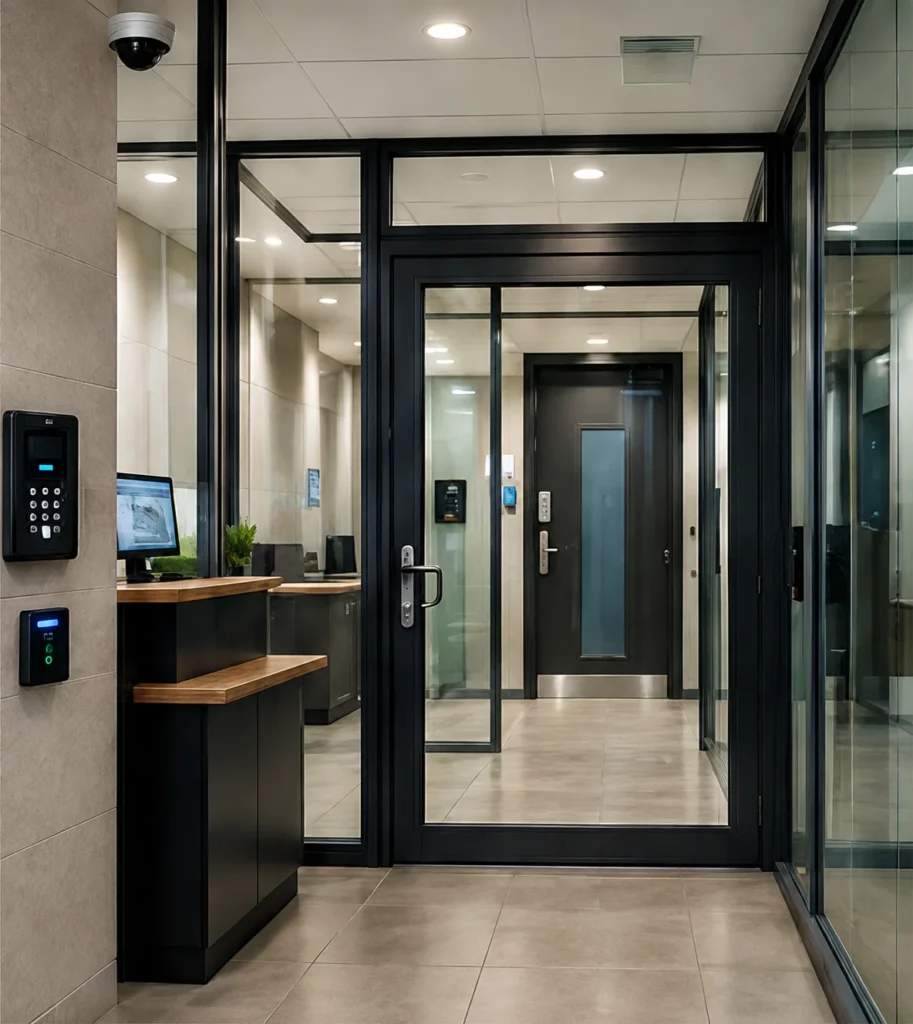
Glass is often one of the most exposed parts of a commercial building. Entrances, storefronts, reception areas, office windows, and glass doors can break during impact and create additional hazards for people inside.
For this reason, commercial glass tinting with safety or security film may be considered as one part of a wider active-threat plan. The important point is to understand what the film is designed to do, what it may help with, and where its limits begin.
Security window film should not be treated as a complete security system. It works best when the glass, frame, attachment method, doors, access control, emergency procedures, and other building security measures are considered together.
Why Glass Matters in an Active-Threat Security Plan
Standard architectural glass can break when it receives enough impact. Once it breaks, loose glass fragments may create an additional safety concern and the opening may become easier to pass through.
The U.S. Department of Homeland Security describes shatter-resistant window film as a form of fragment-retention protection. Its basic purpose is to help keep broken glass fragments together after the glass fails, instead of allowing them to scatter freely.
This makes glazing an important part of a wider physical security review, especially around areas such as:
- Main entrances
- Reception areas
- Street-facing windows
- Retail storefronts
- Glass doors
- Ground-floor offices
- Schools and public buildings
- High-traffic commercial spaces
- Interior glass near controlled areas
- Windows close to occupied workspaces
The goal should not be to place film on every piece of glass without a plan. The goal is to identify vulnerable glazing and match the right type of protection to the actual risk.
What Security Window Film Can Do
Safety and security film is different from normal solar-control or decorative tint. Its main purpose is to improve how glass behaves after it breaks.
Help Hold Broken Glass Together
One of the main functions of security film is fragment retention.
When compatible film is applied to suitable glazing, the film can help keep broken pieces connected to the film layer. This can reduce the amount of loose glass created after breakage.
This does not mean the glass cannot break. It means the broken glazing may remain more intact than untreated glass.
Support a Layered Building Security Plan
An active-threat plan should never depend on one product.
Window film may support a wider plan that also considers:
- Access-controlled doors
- Door and frame condition
- Building entry procedures
- Security personnel
- Emergency communication
- Cameras and monitoring
- Interior safe areas
- Emergency response procedures
- Existing glass type and framing
- Local building and fire requirements
The film is one layer within this wider approach.
Add Resistance After Glass Breakage
Depending on the glass, film, frame, attachment method, and tested system, security film may help the broken glazing stay together for longer.
This may create additional resistance compared with ordinary untreated glass. However, the exact performance should be based on the tested glazing system, not on the film thickness alone.
Upgrade Existing Commercial Glass
Many commercial buildings already contain large areas of existing glass. Replacing every opening may not always fit the building plan.
Security film can be considered as a retrofit option for suitable existing glazing. FEMA guidance also discusses fragment-retention film as a treatment that can be applied to existing window systems, with different attachment methods available depending on the required design.
A qualified dealer should review the glass and frame before recommending a system.
What Window Film Cannot Do
Understanding the limits of security film is just as important as understanding its benefits.
It Does Not Make Glass Unbreakable
Security film does not stop glass from cracking or breaking.
The purpose is generally to improve post-breakage behavior. A strong impact can still damage the glass.
Claims such as “unbreakable windows” should be treated carefully unless a complete glazing system has been tested specifically for that performance.
It Is Not Automatically Bullet-Resistant
Standard safety or security window film should not be described as bullet-resistant glass.
Ballistic glazing is a different type of protection and normally involves purpose-designed materials and tested glazing assemblies.
If ballistic protection is part of the security requirement, the project should be evaluated for that specific performance instead of assuming that window film provides it.
It Cannot Replace Access Control
Film does not lock a door.
It does not replace controlled entry, door hardware, security procedures, cameras, alarms, trained staff, or an emergency response plan.
A secure facility needs several layers working together.
It Cannot Correct a Weak Frame by Itself
Glass is only one part of an opening.
The surrounding frame, seals, door hardware, attachment system, and wall connection can all affect overall performance.
A strong film placed on unsuitable glazing or a weak frame should not be treated as a complete security upgrade.
Our products
Six film families, one for every kind of glass
For commercial glass safety and security, start with Safety and Security. Every family has its own page with the full range.
- Clarity IR Max
- Nano Ceramic
- Climate IQ 50
- Skyline
- Harmony DR
- Soft Tone
- Eco Silver 20
- X-Clear 70
- X-Eco Silver 15
- X-Hybrid DR 15
- Safety 4 Clear
- Security 8 Clear
- Security 8 Silver
- Security 14 Clear
- X-Safety 7
- AG 6 Clear
- Frost
- White Out
- Black Out
- Poly Layers
- V6 Comfort BLK
- V10 Ceramic IR BLK
- V16 Ceramic IR MAX
- V6 Core
- V10 Reactive
- V16 Velocity
Safety Film vs Standard Commercial Tint
Not every film used on commercial glass serves the same purpose.
| Film or Glazing Option | Main Role | Where It May Fit | Important Limit |
|---|---|---|---|
| Solar or privacy film | Heat, glare, appearance, privacy | Offices, storefronts, commercial spaces | Should not automatically be treated as security film |
| Safety/security window film | Helps retain broken glass | Existing commercial glazing | Glass can still break |
| Security film with a tested attachment system | Helps connect filmed glass to the frame as part of a system | Higher-concern openings | Performance depends on the complete tested configuration |
| Laminated or specialty security glazing | Purpose-designed enhanced glazing | Projects requiring higher protection levels | Usually requires a larger glazing replacement project |
Many properties already have commercial glass tinted windows for glare, heat, privacy, or appearance. Existing tint does not automatically mean those windows provide safety or security performance.
The film type and intended use should always be confirmed.
Why the Attachment System Matters
Film and glass should not always be evaluated separately from the frame.
Some security applications use perimeter attachment methods designed to connect the filmed glass more securely to the surrounding framing system. The correct approach depends on the glass, frame, threat level, required performance, and tested configuration.
This is especially important for large panes, entrance glazing, storefronts, and other exposed openings.
Before selecting a film, the building team should ask:
- What type of glass is currently installed?
- Is the glass tempered, annealed, laminated, or insulated?
- What type of frame surrounds the glass?
- Is an attachment system required?
- What performance is the project trying to achieve?
- Has the complete configuration been tested for that purpose?
- Are there emergency-access or fire-safety requirements?
- Are door hardware and locking systems being reviewed separately?
These questions help move the project from simple window tinting to a proper glazing-security assessment.
Commercial Glass Door Tinting in Security Planning
Glass doors need special attention because the glass and the door hardware perform different jobs.
Commercial glass door tinting using an appropriate safety or security film may help manage broken glass, but it does not strengthen a lock, repair weak hardware, or control who enters the building.
A glass entrance should be reviewed as a complete opening.
That review may include the glass, frame, hinges, locking hardware, surrounding panels, film system, emergency exit requirements, and access-control strategy.
This is especially relevant for retail stores, office entrances, schools, reception areas, and other public-facing locations.
Office Glass Window Tint and Interior Security
Glass inside an office can also affect security planning.
An office glass window tint may be used for privacy, glare reduction, visual control, decoration, or safety depending on the selected film. These functions should not be confused with each other.
For example, privacy film may reduce direct visibility into a room, but privacy alone does not create an impact-resistant glazing system.
In areas where physical protection is required, the project team should choose a film designed and tested for the intended safety or security function.
Keep reading
More commercial safety and security guides
Where Commercial Glass Tinting May Be Most Useful
A building assessment can help identify which openings deserve priority.
Areas that may require closer review include:
A. Main Entrances
Large glass entrance doors and surrounding glass panels can be highly exposed because they sit directly beside building access points.
B. Reception and Waiting Areas
Reception spaces often combine large glass surfaces with regular visitor traffic. Fragment retention may be an important consideration in these occupied areas.
C. Street-Level Storefronts
Retail and commercial storefronts may face accidental impact, vandalism, forced-entry concerns, and high pedestrian traffic.
D. Ground-Floor Offices
Windows close to parking areas, sidewalks, public spaces, or building entrances may have a different risk profile than upper-floor glazing.
E. Schools and Public Facilities
These facilities often require coordinated planning between glazing, access control, emergency procedures, and facility management.
The correct priority depends on the individual building. A site-specific assessment is more useful than applying the same solution everywhere.
How to Choose a Security Window Film System
Do not choose safety film only by thickness or appearance.
Start with the performance goal.
Ask what you actually want the glazing system to do after impact. Then compare that goal with the available test information and the condition of the existing glass.
A practical evaluation should include:
- Existing glass type
- Window and door frame condition
- Size of each glass opening
- Interior or exterior application requirements
- Desired fragment-retention performance
- Required safety testing
- Attachment-system requirements
- Visibility and natural-light needs
- Privacy requirements
- Local codes and facility policies
For commercial projects, product data should be reviewed as part of the complete glazing system rather than as a single number on a specification sheet.
Commercial Glass Tinting and Daily Building Use
Security is important, but commercial glass still needs to work with the everyday needs of the building.
Depending on the selected product, commercial glass tinting may also be considered alongside requirements such as solar control, privacy, glare management, appearance, or visibility.
These needs should be discussed separately.
A building may need clear security film at one entrance, privacy treatment in meeting rooms, solar-control film on exposed exterior windows, and a different solution for decorative interior glass.
Using the same film everywhere may not provide the best result.
Build a Layered Glass Security Strategy
The most useful role of security window film is clear: it can become one part of a wider plan for safer commercial glazing.
It can help retain broken glass and may support greater resistance when used as part of an appropriate tested system. It cannot make ordinary glass unbreakable, replace access control, or turn a standard window into ballistic glazing.
For building owners, facility managers, architects, schools, offices, retailers, and security teams, the right starting point is a clear assessment of the glass, frame, exposure, intended performance, and overall security plan.
FAQ
Frequently asked questions
Quick answers about commercial glass tinting in active-threat plans.
Still have a question? Ask usCan window film stop an active threat?
Window film should not be treated as a complete active-threat solution. Safety or security film may help with fragment retention and, in certain tested systems, may add resistance after glass breakage. It should remain part of a layered security plan.
Does security film make glass bulletproof?
No. Standard safety and security window film should not be described as bulletproof. Projects requiring ballistic protection need products and glazing assemblies designed and tested for ballistic performance.
Can security film stop glass from breaking?
No. The glass may still crack or break after impact. The film is intended to help manage the broken glass and improve its post-breakage behavior.
Is normal office window tint the same as security film?
No. A standard office glass window tint may be designed mainly for glare, heat, privacy, UV control, or appearance. Security film is designed for a different purpose and should be selected based on the required performance.
Can safety film be used on commercial glass doors?
It may be used on suitable glass doors, but commercial glass door tinting should be evaluated together with the door frame, hardware, locks, glass type, emergency exit requirements, and intended security goal.
Does thicker film always mean better protection?
Not by itself. Film thickness is only one part of the system. Glass type, adhesive, attachment method, frame design, opening size, and tested configuration can also affect performance.
Should every window in a building receive security film?
Not necessarily. A risk-based approach can help identify higher-priority openings first, including entrances, street-facing glazing, occupied areas, and other locations identified during a building security assessment.
Can existing commercial tinted glass be upgraded?
In many cases, existing glazing can be evaluated for a compatible film system. However, commercial glass tinted windows should be inspected to determine the existing film, glass type, condition, compatibility, and project requirements before a new security solution is selected.
Contact us
Worried about exposed glass? Tell us about the building.
Send us which glass worries you most, the type of doors and frames and what you want to protect against, and we will point you to the right next step.
Contact us-
Visit
12551 Steepleway Blvd SWB B101
Houston, TX 77065 - Hours Mon to Fri 9am to 5pm